

Please note that the CHE Ranking is currently being updated. It is therefore possible that the information provided is not up-to-date. On the website of ZEIT ONLINE you can already find the updated ranking, but only in German: https://studiengaenge.zeit.de/ranking.

CHE University Ranking
Filter for projects
Electrical / Information Engineering, Department
Fakultät für Elektrotechnik und Informationstechnik
Otto-von-Guericke-Universität Magdeburg
Universitätsplatz 2
D-39106 Magdeburg
Telephone: +49 391 671-8641
https://www.ovgu.de
Uni Magdeburg
Department on the internet
Student body
Degree courses with details
- Electrical Engineering and Information Technology (B.Sc.)
- Medical Technology (B.Sc.)
- Electric Mobility (B.Sc.)
- Systems Engineering and Engineering Cybernetics (B.Sc.)
- Electrical Engineering and Information Technology (M.Sc.)
- Systems Engineering and Engineering Cybernetics (M.Sc.)
- Medical Systems Engineering (M.Sc.)
- Electrical Engineering and Information Technology (M.Sc.)
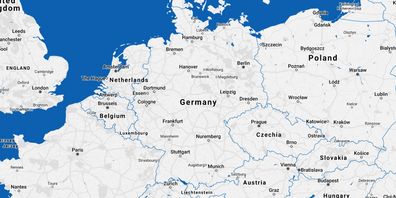
Map material from the free geographic information system OpenStreetMap. The DAAD explicitly does not adopt the information provided there (names, boundaries, etc.) in every case. No guarantee is given for the accuracy of this information.
Legend:
- Department
Basic information
- Total number of students at the department
890
- Number of master degree students (w/o teacher qualification)
340
- Percentage of teaching by practitioners
no data
- Percentage of teaching by practitioners, master's
no data
Support during the study entry phase
- Total score for support in the study entry phase
5/14 points
Job market- and career-orientation
- Bachelor theses in cooperation with work environment
no data
- Master theses in cooperation with work environment
no data
Research
- Publications per academic
no data
- Citations per publication
no data
- Third party funds per academic
no data
- Doctorates per professor
no data
Students' assessments on undergraduate, presence-learning-courses
- Teacher support
- Support in studies
- Courses offered
- Study organisation
- Exam organisation
- Digital teaching elements
- Research orientation
- Offers for career orientation
- Rooms
- Library
- IT-infrastructure
- Laboratories
- Overall study situation
- Return rate of the questionnaires
no data
Students' assessments on consecutive master's degree courses
- Teacher support
return rate too low
- Support in studies
return rate too low
- Digital teaching elements
return rate too low
- Courses offered
return rate too low
- Study organisation
return rate too low
- Transition to Master's studies
return rate too low
- Research orientation
return rate too low
- Overall study situation
return rate too low
- Return rate of the questionnaires
no data
Further information provided by the department
Special features regarding teaching
Special features regarding the international orientation
Special features regarding the equipment
Special features regarding research activities
Support for founders
Other special features
Further information on research activities
Legend
Groups
green
yellow
blue
Acronyms
(S) = Students' judgements
(F) = Facts
(P) = Professors' judgements
Units
Value in percent
Value in points
Euro
Thousand Euro
