


Electrical / Information Engineering, Department
Fakultät Technik und Informatik
Hochschule für Angewandte Wissenschaften Hamburg
Fakultät Technik und Informatik
Department Informations- und Elektrotechnik
Berliner Tor 7
D-20099 Hamburg
Telephone: +49 40 42875-8313
https://www.haw-hamburg.de
HAW Hamburg
Department on the internet
Department Informations- und Elektrotechnik
Berliner Tor 7
D-20099 Hamburg
Telephone: +49 40 42875-8313
https://www.haw-hamburg.de
HAW Hamburg
Department on the internet
Degree courses with details
- Electrical Engineering and Information Technology (B.Sc.)
- Electrical Engineering and Information Technology (B.Sc., cooporative)
- Information Engineering (B.Sc.)
- Renewable Energy Systems ans Management (B.Sc.)
- Automation (M.Sc.)
- Information and Communications Technology (M.Sc.)
- Microelectronic Systems (M.Sc.) in cooperation with West Coast University of Applied Sciences
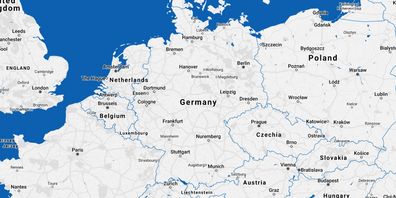
Map material from the free geographic information system OpenStreetMap. The DAAD explicitly does not adopt the information provided there (names, boundaries, etc.) in every case. No guarantee is given for the accuracy of this information.
Legend:
- Department
Basic information
- Total number of students at the department
1,110
- Number of master degree students (w/o teacher qualification)
120
- Percentage of teaching by practitioners
no data
- Percentage of teaching by practitioners, master's
no data
Cooperative Education
- Students in cooperative education
50
Support during the study entry phase
- Total score for support in the study entry phase
11/14 points
Job market- and career-orientation
- Bachelor theses in cooperation with work environment
no data
- Master theses in cooperation with work environment
no data
Research
- Cooperative doctoral degrees (in three years)
no data
- Third party funds per professor
25,000 €
Students' assessments on undergraduate, presence-learning-courses
- Teacher support
- Support in studies
- Courses offered
- Study organisation
- Exam organisation
- Digital teaching elements
- Laboratory internships
- Offers for career orientation
- Support during practical semester
- Rooms
- Library
- IT-infrastructure
- Overall study situation
- Return rate of the questionnaires
no data
Students' assessments on cooperate education courses
- Teacher support
- Support in studies
- Courses offered
- Study organisation
- Digital teaching elements
- Exam organisation
- Coordination of theory and practice phases
- Rooms
- Library
- IT-infrastructure
- Laboratory internships
- Overall study situation
- Return rate of the questionnaires
22
Students' assessments on consecutive master's degree courses
- Teacher support
- Support in studies
- Digital teaching elements
- Courses offered
- Study organisation
- Transition to Master's studies
- Overall study situation
- Return rate of the questionnaires
22
Further information provided by the department
Special features regarding teaching
Practical orientation, interdisciplinary character, internationality, modern didactics, small groups, project work and very good student/lecturer ratios. Broad range of specialisation options, two dual-degree models, part-time study and steadily increasing competency orientation in instruction as well as a high level of practical work through laboratory internships, exercises, industrial practice, excursions and external internships. Department staff also bring relevant, well-founded and long-standing professional training from the industrial sector. Learning content is focused on sustainability.
Special features regarding the international orientation
The department has a portfolio of international partner universities that enables students to study abroad in the key industrial countries of the world. The international courses of study in English attracts students from more than 30 countries to come to Hamburg. Also offered is a dual-degree degree course with international partner universities such as the University of Shanghai for Science and Technology (USST) and the GlobalE3 network. In addition, the department offers a joint degree degree course at the USST in Shanghai.
Special features regarding the equipment
Students have access to professional workstations in numerous laboratories, e.g. automation laboratory, laboratory for energy and automatic control technology. In addition, there is a central laboratory workshop (ZLW) as well as the 3Dspace and MakerSpace for the of own projects, with soldering stations, measurement technology and 3D printers. There are also modern laboratory workstations in teaching, SmartGrid laboratory in the EnergieCampus, EMC measurement room booth, acoustics laboratory and several PC pools, Virtual Reality Cave.
Special features regarding research and development
Sustainability, energy transition, digitalisation. Cooperation with the Competence Centre for Renewable Energies and Energy Efficiency (CC4E), German Electron Synchrotron (DESY), the Power Electronics Application Centre of the Fraunhofer Institute for Silicon Technology, automotive electronics (battery research and sensor technology funded by BMBF). Postgraduate school together with the University of Hamburg (key technologies for sustainable energy systems in smart grids), Urban Mobility Lab, autonomous driving, research on didactics of E-Learning in Engineering (Quality Pact in Teaching).
Support for founders
Course content relevant to start-ups is a regular part of the curriculum. Department lecturers are also involved in cross-faculty events (entrepreneurship elective, lecture series on entrepreneurship). A large number of teachers of the department have their own start-up experience, which is integrated regularly into their courses. Instructors are selected again and again to serve as mentors to student start-up projects. There is also a start-up service at HAW Hamburg.
Other special features
Individual advice and counselling; Cooperation arrangements with around 100 firms in northern Germany, Hamburg and the surrounding area; Strong interdisciplinary and practice-based orientation; Opportunity to gain international experience in partner universities worldwide; Close network with partners and institutions from industry; Work in an academic environment; Consecutive Master’s courses; As a location for aerospace and the driver of the energy transition and the logistics industry, the Hanseatic City of Hamburg offers a variety of professional perspectives as a result of its networked location.
Further information on research activities
Further information about study entry phase
Website of the Student Council
online-application
Legend
Groups
green
yellow
red
not specified
Acronyms
(S) = Students' judgements
(F) = Facts
(P) = Professors' judgements
Units
Value in percent
Value in points
Euro
Thousand Euro
Last Update 2022: Data collected by the
CHE Center for Higher Education
