


CHE University Ranking
Filter for projects
Applied Natural Sciences, Department
Fachbereich 1 - Life Sciences and Engineering
Technische Hochschule Bingen
Fachbereich 1 - Life Sciences and Engineering
Studiengänge Umweltschutz, Biotechnologie
Berlinstraße 109
D-55411 Bingen
https://www.th-bingen.de
TH Bingen
Department on the internet
Online application
Studiengänge Umweltschutz, Biotechnologie
Berlinstraße 109
D-55411 Bingen
https://www.th-bingen.de
TH Bingen
Department on the internet
Online application
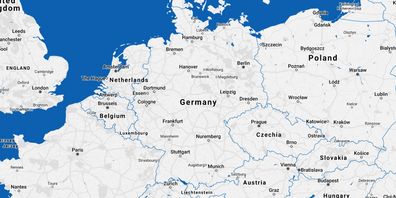
Map material from the free geographic information system OpenStreetMap. The DAAD explicitly does not adopt the information provided there (names, boundaries, etc.) in every case. No guarantee is given for the accuracy of this information.
Legend:
- Department
Basic information
- Percentage of teaching by practitioners
7.0%
- Percentage of teaching by practitioners, master's
no data
Support during the study entry phase
- Total score for support in the study entry phase
8/14 points
Job market- and career-orientation
- Bachelor theses in cooperation with work environment
9.0%
- Master theses in cooperation with work environment
no data
Research
- Cooperative doctoral degrees (in three years)
2
- Third party funds per professor
23,800 €
Further information provided by the department
Further information on research activities
Biotechnology
Facts
- Total number of students at the department
130
- Number of master degree students (w/o teacher qualification)
no data
Students' assessments on undergraduate, presence-learning-courses
- Teacher support
- Support in studies
- Courses offered
- Study organisation
- Exam organisation
- Digital teaching elements
- Laboratory internships
no data
- Offers for career orientation
- Support during practical semester
no data
- Rooms
- Library
- IT-infrastructure
- Overall study situation
- Return rate of the questionnaires
16
Interdisciplinary Applied Natural Sciences
Facts
- Total number of students at the department
410
- Number of master degree students (w/o teacher qualification)
no data
Students' assessments on undergraduate, presence-learning-courses
- Teacher support
- Support in studies
- Courses offered
- Study organisation
- Exam organisation
- Digital teaching elements
- Laboratory internships
- Offers for career orientation
- Support during practical semester
- Rooms
- Library
- IT-infrastructure
- Overall study situation
- Return rate of the questionnaires
30
Legend
Groups
green
yellow
blue
not specified
Acronyms
(S) = Students' judgements
(F) = Facts
(P) = Professors' judgements
BT = Biotechnology
IntNatSci = Interdisciplinary Applied Natural Sciences
Units
Value in percent
Value in points
Euro
Thousand Euro
Last Update 2022: Data collected by the
CHE Center for Higher Education
