


CHE University Ranking
Filter for projects
Process Engineering, Department
Fakultät für Maschinenbau und Verfahrenstechnik
Technische Hochschule Augsburg
Fakultät für Maschinenbau und Verfahrenstechnik
An der Hochschule 1
D-86161 Augsburg
https://www.hs-augsburg.https://www.tha.de/
TH Augsburg
Department on the internet
Online application
Student body
An der Hochschule 1
D-86161 Augsburg
https://www.hs-augsburg.https://www.tha.de/
TH Augsburg
Department on the internet
Online application
Student body
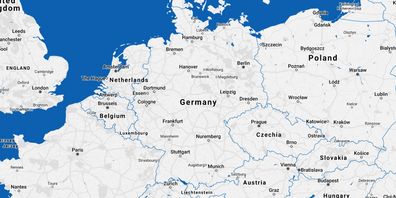
Map material from the free geographic information system OpenStreetMap. The DAAD explicitly does not adopt the information provided there (names, boundaries, etc.) in every case. No guarantee is given for the accuracy of this information.
Legend:
- Department
Basic information
- Total number of students at the department
240
- Number of master degree students (w/o teacher qualification)
30
- Percentage of teaching by practitioners
11.0%
- Percentage of teaching by practitioners, master's
no data
Support during the study entry phase
- Total score for support in the study entry phase
11/14 points
Job market- and career-orientation
- Bachelor theses in cooperation with work environment
60.6%
- Master theses in cooperation with work environment
no data
Research
- Third party funds per professor
27,800 €
Students' assessments on undergraduate, presence-learning-courses
- Teacher support
- Support in studies
- Courses offered
- Study organisation
- Exam organisation
- Digital teaching elements
- Laboratory internships
- Offers for career orientation
- Support during practical semester
- Rooms
- Library
- IT-infrastructure
- Overall study situation
- Return rate of the questionnaires
36
Further information provided by the department
Special features regarding teaching
Practice- and application-oriented; Methodological, social and personal skills are taught; Dual academic studies; Modern (problem- and project-based) forms of learning; Modern teaching (E-Learning, iPads in the classroom, etc.); Promotion of process knowledge and ability to work in a team; Integration of modern technologies and the latest scientific findings; (Guest) instructors working in the field; Dialogue with academia and industry; Practicals in ultra-modern laboratories (small groups); Excursions, trade fair visits; Tutorials, mentoring.
Special features regarding the international orientation
English-language modules (optional); Close networking with 40 partner universities; Guest professorship of a professor at the TU Brno (CZ); (Guest) instructors from abroad; Activities under the scope of teaching, staff and student mobility; Participation in the "Internationalisation of universities" audit of the German Rectors' Conference (HRK); Attractive options for visits abroad by students (semester, multi-week projects); Courses for the acquisition of linguistic, cross-cultural skills).
Special features regarding the equipment
State-of-the-art laboratories in the department and competence centres at the bifa environmental institute, Technologiezentrum Augsburg (TZA), Materials Resource Management (MRM) building in Augsburg and Institute of Textile Technology; Modern media technology in the lecture halls and for online instruction (Zoom, Moodle, etc.); Technology on loan (e.g. iPads); High-performance computing cluster; Free software licenses for students; Ongoing optimisation of existing equipment and procurement of new equipment.
Special features regarding research and development
Integration through project work/final theses and ‘Master of Applied Research’; Cooperative doctorates; Application-oriented research with partners (from regional to international) from science, industry and institutions (e.g. bifa Umweltinstitut, German Aerospace Center (DLR), Fraunhofer); Research focuses: ‘Resource Efficiency’ and ‘Digitalisation’; Research groups (e.g. ‘HSA_comp: Composites in Mechanical Engineering’, ‘HSA_sim: Simulation in Mechanical Engineering’); Research and teaching activities at Technologiezentrum Augsburg (TZA), Materials Resource Management (MRM) building in Augsburg and Institut für Textiltechnik Augsburg
Support for founders
Entrepreneurship unit with offers such as guidance: Office hours for ideas, company succession; Sample while studying: Project work, practical semesters in a start-up, etc.; Sample while researching; Library; SpaceBoxes; Seminars and workshops
Other special features
Label as a "family-friendly university", "Healthy University"; partner university for top-level student athletes and fire brigades/aid organisations; Projects such as Formula Student, West and Central African Future Group; Career Service, company networking fair, work placement/job exchange; Programme preparatory to studies; Library with numerous additional services (equipment for lending, courses); Information Management: Informational events for new students, intranet/Internet, InfoScreens; Mentoring/tutoring programmes; Active student society (with projects such as urban gardening, precious plastic)
Further information on research activities
Information on access restrictions
Legend
Groups
green
yellow
blue
not specified
Acronyms
(S) = Students' judgements
(F) = Facts
(P) = Professors' judgements
Units
Value in percent
Value in points
Euro
Thousand Euro
Last Update 2022: Data collected by the
CHE Center for Higher Education
