

CHE University Ranking
Filter for projects
Psychology, Department
Fachbereich Psychologie
International Psychoanalytic University Berlin
Fachbereich Psychologie
Berlin
Stromstr. 1
D-10555 Berlin
Telephone: +49 30 3001175-00
https://www.ipu-berlin.de
IPU Berlin (priv.)
Department on the internet
Online application
Berlin
Stromstr. 1
D-10555 Berlin
Telephone: +49 30 3001175-00
https://www.ipu-berlin.de
IPU Berlin (priv.)
Department on the internet
Online application
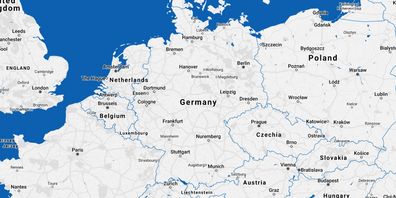
Map material from the free geographic information system OpenStreetMap. The DAAD explicitly does not adopt the information provided there (names, boundaries, etc.) in every case. No guarantee is given for the accuracy of this information.
Legend:
- Department
Basic information
- Total number of students at the department
810
- Number of master degree students (w/o teacher qualification)
490
Support during the study entry phase
- Total score for support in the study entry phase
10/14 points
Research
- Publications per academic
2.5
- Citations per publication
3.1
- Third party funds per academic
41,500 €
- Doctorates per professor
no data
Students' assessments on undergraduate, presence-learning-courses
- Teacher support
- Support in studies
- Courses offered
- Study organisation
- Exam organisation
- Digital teaching elements
- Research orientation
- Offers for career orientation
- Rooms
- Library
- IT-infrastructure
- Overall study situation
- Return rate of the questionnaires
23
Students' assessments on consecutive master's degree courses
- Teacher support
- Support in studies
- Digital teaching elements
- Courses offered
- Study organisation
- Transition to Master's studies
- Research orientation
- Overall study situation
- Return rate of the questionnaires
72
Further information provided by the department
Special features regarding teaching
Focus on humanities as well as on empirical social sciences and natural sciences; Interdisciplinary and transdisciplinary course content; Practical examples from the university outpatient clinic; Clinical Psychology: Professors with expertise in all psychotherapeutic guideline procedures; Personal supervision of students by professors; Many optional and extracurricular courses; Involvement of students in research and model projects; Work placement preparation and supervision; Interactive lectures; Link between research and practice.
Special features regarding the international orientation
Erasmus+: Exchange of students and academics + administrative personnel with 15 institutions of higher education in Europe; Promos: Study trips + practicals (12 countries) outside of the EU with mutual guarantee of recognition of academic performance before the exchange; Stibet partial scholarships: Support for international students; Multinational "Social Trauma" teaching/research network with seminars in Bosnia-Herzegovina, Serbia, Bulgaria; Humboldt Foundation: Institute partnership with Krakow + Warsaw; International cooperation agreements funded by foundations (e.g. Israel); Since 17/18 winter semester: English-language master's degree in Psychology
Special features regarding the equipment
Seminar rooms and lecture theatres with modern presentation and event technology; Extensive digital library resources with remote access; WiFi access in most universities worldwide (eduroam); Free use software relevant to the degree course (e.g. SPSS, EndNote, MS Office); E-learning portal; Online survey tools for use in student projects; Freely available printers, photocopiers and scanners; PC workstations for students; EEG laboratory with 64-channel recording system for research and teaching in Neurocognitive Psychology.
Special features regarding research activities
Investigation of the effects of unconscious processes in individuals, groups, organisations + societies, in each case with reference to the 3 psychoanalytically oriented research areas of psychotherapy research, transformation research and concept research; Reflection on different views of science and methods derived from these (qualitative, quantitative, hermeneutic, empirical)
Other special features
Library with long opening hours and spaces, student representative organisations that hold regular discussions with the university administration, other possibilities for student involvement/co-determination to structure the degree course and teaching, networking with psychotherapy training institutes, civil involvement as part of extracurricular seminars and projects (e.g. refugee aid, sponsorships for children), research day, e.g. to identify subjects for final theses, university day on the quality of the degree course, student mentoring programme, school partnerships.
Legend
Groups
green
yellow
blue
not specified
Acronyms
(S) = Students' judgements
(F) = Facts
(P) = Professors' judgements
Units
Value in percent
Value in points
Euro
Thousand Euro
Last Update 2022: Data collected by the
CHE Center for Higher Education
