


CHE University Ranking
Filter for projects
Applied Natural Sciences, Department
Fakultät Biotechnologie
HBC. Hochschule Biberach
Fakultät Biotechnologie
Karlstraße 9-11
D-88400 Biberach
Telephone: +49 7351 582-451
https://www.hochschule-biberach.de
HS Biberach
Department on the internet
Karlstraße 9-11
D-88400 Biberach
Telephone: +49 7351 582-451
https://www.hochschule-biberach.de
HS Biberach
Department on the internet
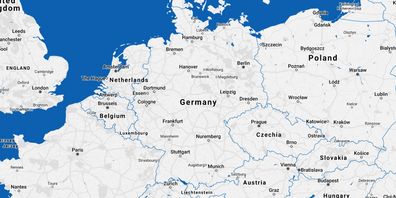
Map material from the free geographic information system OpenStreetMap. The DAAD explicitly does not adopt the information provided there (names, boundaries, etc.) in every case. No guarantee is given for the accuracy of this information.
Legend:
- Department
Basic information
- Percentage of teaching by practitioners
20.0%
- Percentage of teaching by practitioners, master's
15.0%
Support during the study entry phase
- Total score for support in the study entry phase
13/14 points
Job market- and career-orientation
- Bachelor theses in cooperation with work environment
no data
- Master theses in cooperation with work environment
no data
Research
- Cooperative doctoral degrees (in three years)
no data
- Third party funds per professor
no data
Further information provided by the department
Special features regarding teaching
The Biotechnology degree courses of the HBC include very high proportion (approx. 35%) of practically oriented training in the laboratory practicals. This high proportion of laboratory work, combined with modern topics in lectures, seminars and excursions, enables students to gain very current and in-depth knowledge in pharmaceutical and industrial biotechnology. The fact that approx. 15% of lectures are given by people from industrial companies helps keep the degree courses up-to-date. Good contacts with companies make it possible for graduates to get off to a quick and successful start to their careers.
Special features regarding the international orientation
Around 20 % of students do their practical semester, bachelor's thesis or study semester abroad. The English-language fourth semester in the two bachelor’s degrees enables numerous exchange programmes and prevents language from being seen as an obstacle. The Biberach University of Applied Sciences is the only university in Germany to offer the Bachelor International model for all degree courses, which has one year abroad as an integral part of the course. International summer schools and excursions complement the programme.
Special features regarding the equipment
Since 2006, the laboratories of the Biotechnology fa have been equipped in close cooperation with local industrial companies; they have been regularly modernised with third-party funds and large equipment applications ever since. The laboratory equipment is therefore very much in line with the latest industrial requirements. The modern and industry-oriented laboratory equipment is one reason why employers in industry and academic institutes value our graduates so highly.
Special features regarding research and development
Research projects in the Biotechnology Department cover a broad range of current developments. Among other things, we examine cell-line development, automated process control and the intake of drugs. Key research areas in industrial biotechnology include the biotechnological use of biogenic resources and residues, microbial Co2 fixation and the production and use of microalgae. The institute has a several PhD students who are supervised in cooperation with the University of Ulm and some by industry.
Other special features
As a university of applied sciences with a small number of students we offer an excellent tutor-student ratio. The professors often co-supervise the practicals and are therefore often in direct contact with students. From the fourth study semester onwards, students can do voluntary study projects on current research topics with support from staff and professors, which allow them to further consolidate their practical skills.
Biotechnology
Facts
- Total number of students at the department
440
- Number of master degree students (w/o teacher qualification)
110
Students' assessments on undergraduate, presence-learning-courses
- Teacher support
- Support in studies
- Courses offered
- Study organisation
- Exam organisation
- Digital teaching elements
- Laboratory internships
- Offers for career orientation
- Support during practical semester
- Rooms
- Library
- IT-infrastructure
- Overall study situation
- Return rate of the questionnaires
83
Legend
Groups
green
yellow
blue
not specified
Acronyms
(S) = Students' judgements
(F) = Facts
(P) = Professors' judgements
BT = Biotechnology
Units
Value in percent
Value in points
Euro
Thousand Euro
Last Update 2022: Data collected by the
CHE Center for Higher Education
