


Mechanical / Materials / Process Engineering, Department
Fakultät Maschinenwesen
Technische Universität Dresden
Fakultät Maschinenwesen
Helmholtzstraße 10
D-01069 Dresden
Telephone: +49 351 463-32786
https://tu-dresden.de
TU Dresden
Department on the internet
Helmholtzstraße 10
D-01069 Dresden
Telephone: +49 351 463-32786
https://tu-dresden.de
TU Dresden
Department on the internet
Degree courses with details
- Mechanical Engineering (D)
- Mechanical Engineering (D, correspondence course)
- Mechanical Engineering - binational (D)
- Mechanical Engineering (B.Sc.)
- Mechanical Engineering (B.Sc., correspondence course)
- Mechanical Engineering (D-Advanced course)
- Mechanical Engineering (D-Advanced course, distance learning)
- Textile and Clothing Technology (M.Sc.)
- Process Engineering and Natural Material Engineering (D)
- Process Engineering and Natural Material Engineering (D, further education)
- Process Engineering and Natural Material Engineering (B.Sc.)
- Materials Science (D)
- Materials Science (B.Sc.)
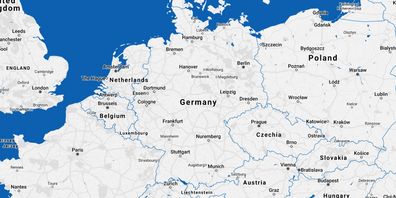
Map material from the free geographic information system OpenStreetMap. The DAAD explicitly does not adopt the information provided there (names, boundaries, etc.) in every case. No guarantee is given for the accuracy of this information.
Legend:
- Department
Basic information
- Percentage of teaching by practitioners
6.2%
- Percentage of teaching by practitioners, master's
6.2%
Support during the study entry phase
- Total score for support in the study entry phase
10/14 points
Job market- and career-orientation
- Bachelor theses in cooperation with work environment
52.0%
- Master theses in cooperation with work environment
52.0%
Research
- Third party funds per academic
272,300 €
- Doctorates per professor
2.1
Further information provided by the department
Special features regarding teaching
In stage I studies, small groups (max. 30 people) look at the teaching content individually in further detail in seminar exercises. Pre-produced timetables are provided for each semester based on the study schedules. Four semesters of standard basic study, followed by specialisation with a free choice of the branch of study/profile recommendation.
Special features regarding the international orientation
Cooperation agreements including with Purdue University, West Lafayette; East Siberia State University in Ulan Ude; St. Petersburg State Technological University of Plant Polymers; Universidad des Atlantico (UA), (Colombia); Technical University of Ostrava; Tongji University (China); Wrocław University of Technology; Prof. Cuniberti is the coordinator of the Erasmus Mundus Master's course in "Nanoscience and Nanotechnology" with the University of Grenoble, KU Leuven, Chalmers University of Technology in Gothenburg.
Special features regarding the equipment
Centre for Virtual Mechanical Engineering (5-side CAVE) ; Training reactor; helium liquefaction facility; gas turbines in teaching and test power plant; in-situ CT; radial braiding machine; multifunction quick-stroke press; multi-component injection moulding system; CNC-controlled weaving machines for SD structure.
Special features regarding research activities
Research platforms have been established for: Energy Storage; Industry 4.0; Focus on materials research; Interactive Lightweight Construction Systems; Human Technology Design; Research Cluster Bio Inspired Plant Design; Robotics; Aerospace
Support for founders
connectING group meetings for female students and some for male students, with topics that include information on company start-ups
Other special features
The TU Dresden faculty with the most third-party funding, participation in clusters of excellence, high-profile and recognised research activities; Broad range of research fields at the faculty (materials science, process engineering, mechanical engineering) and joint degree courses with other faculties. Scientific output by international teaching staff; DIPL.-ING.
Further information on research activities
Website of the Student Council
online-application
Materials Science / Engineering
Facts
- Total number of students at the department
190
- Number of master degree students (w/o teacher qualification)
160
Mechanical Engineering
Facts
- Total number of students at the department
3,130
- Number of master degree students (w/o teacher qualification)
670
Students' assessments on undergraduate, presence-learning-courses
- Teacher support
- Support in studies
- Courses offered
- Study organisation
- Exam organisation
no data
- Digital teaching elements
- Research orientation
- Offers for career orientation
no data
- Rooms
no data
- Library
no data
- IT-infrastructure
no data
- Laboratories
no data
- Overall study situation
- Return rate of the questionnaires
no data
Students' assessments on consecutive master's degree courses
- Teacher support
- Support in studies
- Digital teaching elements
- Courses offered
- Study organisation
- Transition to Master's studies
- Research orientation
- Overall study situation
- Return rate of the questionnaires
28
Process Engineering
Facts
- Total number of students at the department
330
- Number of master degree students (w/o teacher qualification)
300
Legend
Groups
green
yellow
red
not specified
Acronyms
(S) = Students' judgements
(F) = Facts
(P) = Professors' judgements
MatSE = Materials Science / Engineering
ME = Mechanical Engineering
PE = Process Engineering
Units
Value in percent
Value in points
Euro
Thousand Euro
Last Update 2022: Data collected by the
CHE Center for Higher Education
